Shaping capital for community and economic wellbeing

Why it matters

Capital underpins our communities and economies — from land and housing to businesses, infrastructure, money and natural assets.

It influences what gets built, who owns it, how it operates, and who benefits.

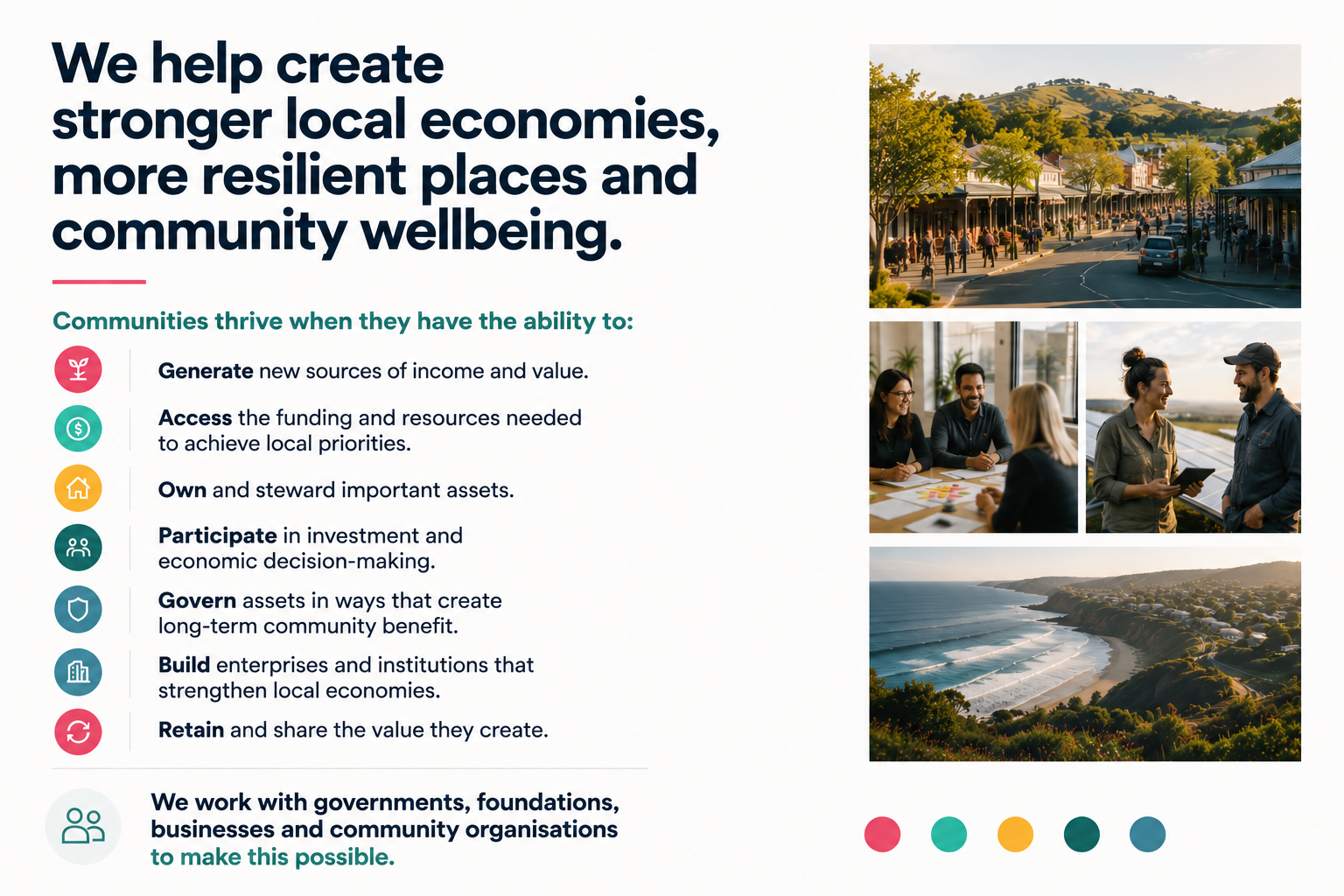
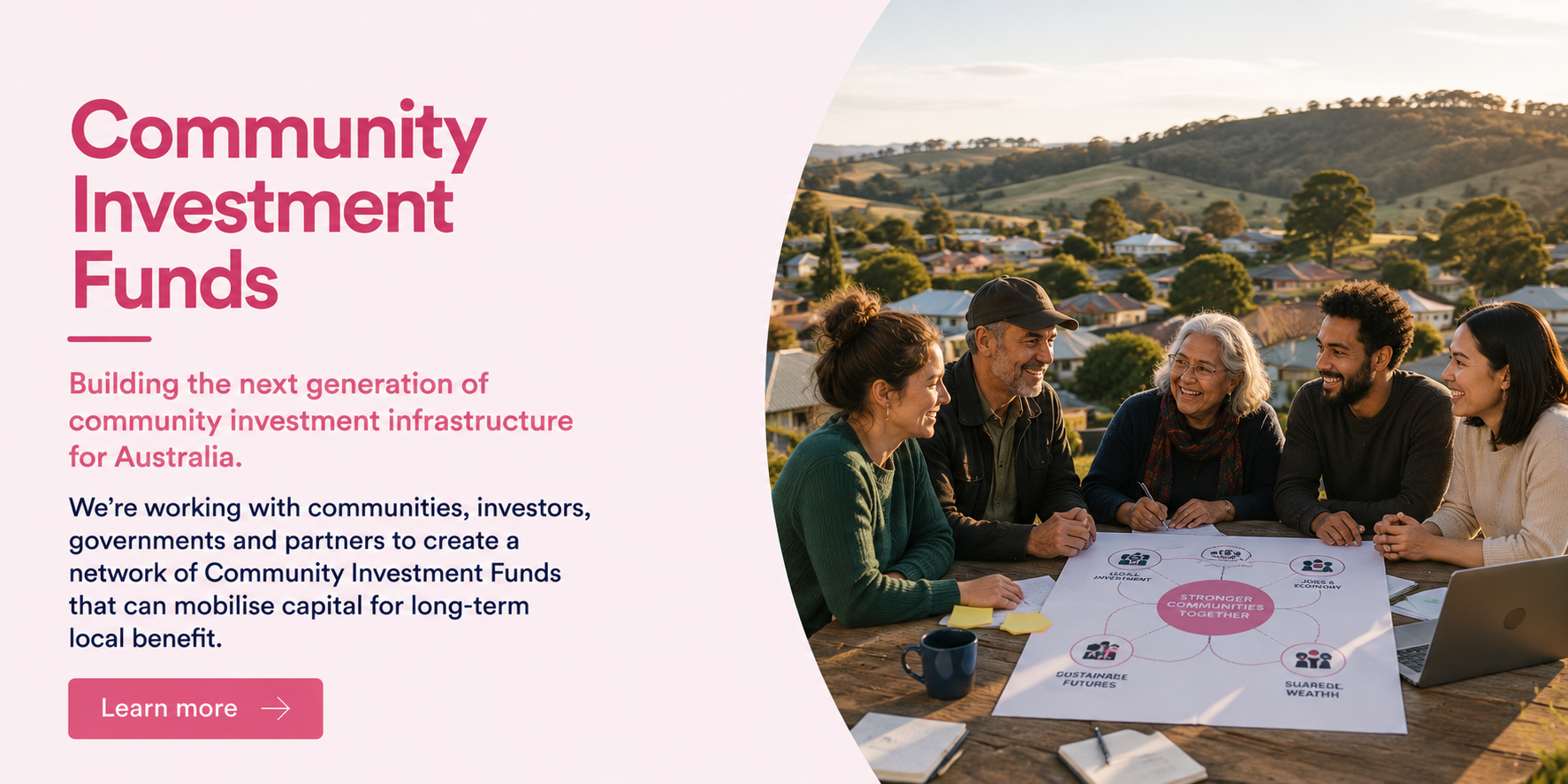
When communities and partners can shape how capital is generated, owned, governed and used, they can:

  • Create more inclusive, equitable and thriving local economies and places

  • Build local ownership and long-term income streams

  • Direct investment toward what matters most

  • Enable projects, services and enterprises that meet real needs

  • Strengthen resilience in the face of economic and social change

Who we work with

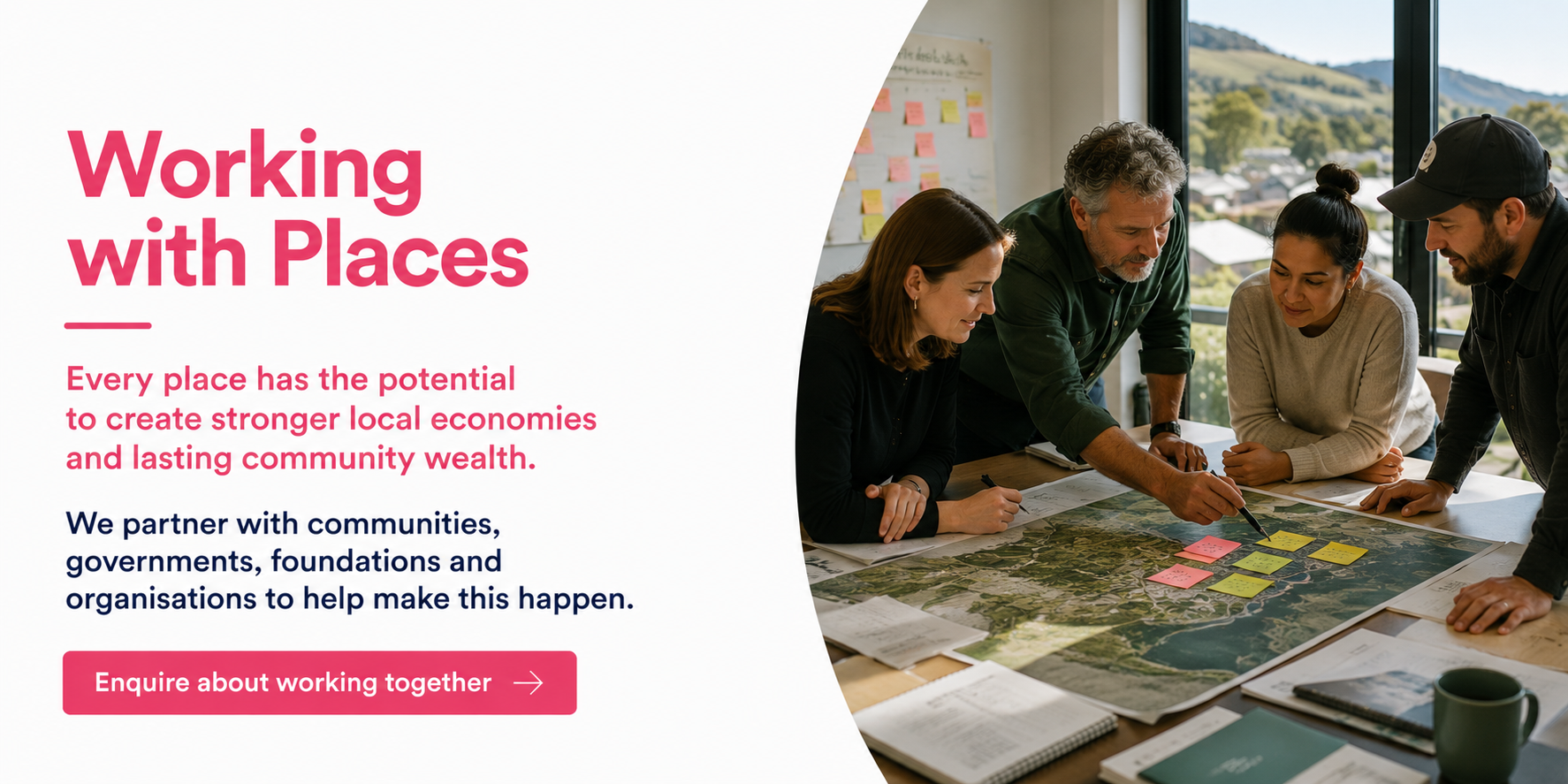
We work with people and organisations based in place, supporting places, or shaping systems from a strategic level. This commonly includes:

  • Community and local organisations

  • Local councils and regional authorities

  • Social impact and place-based collaboratives, alliances and intermediaries

  • Philanthropic foundations and funders

  • State and Federal Government agencies

  • Corporations

If you're trying to achieve better outcomes for local people and places, we’re here to help.

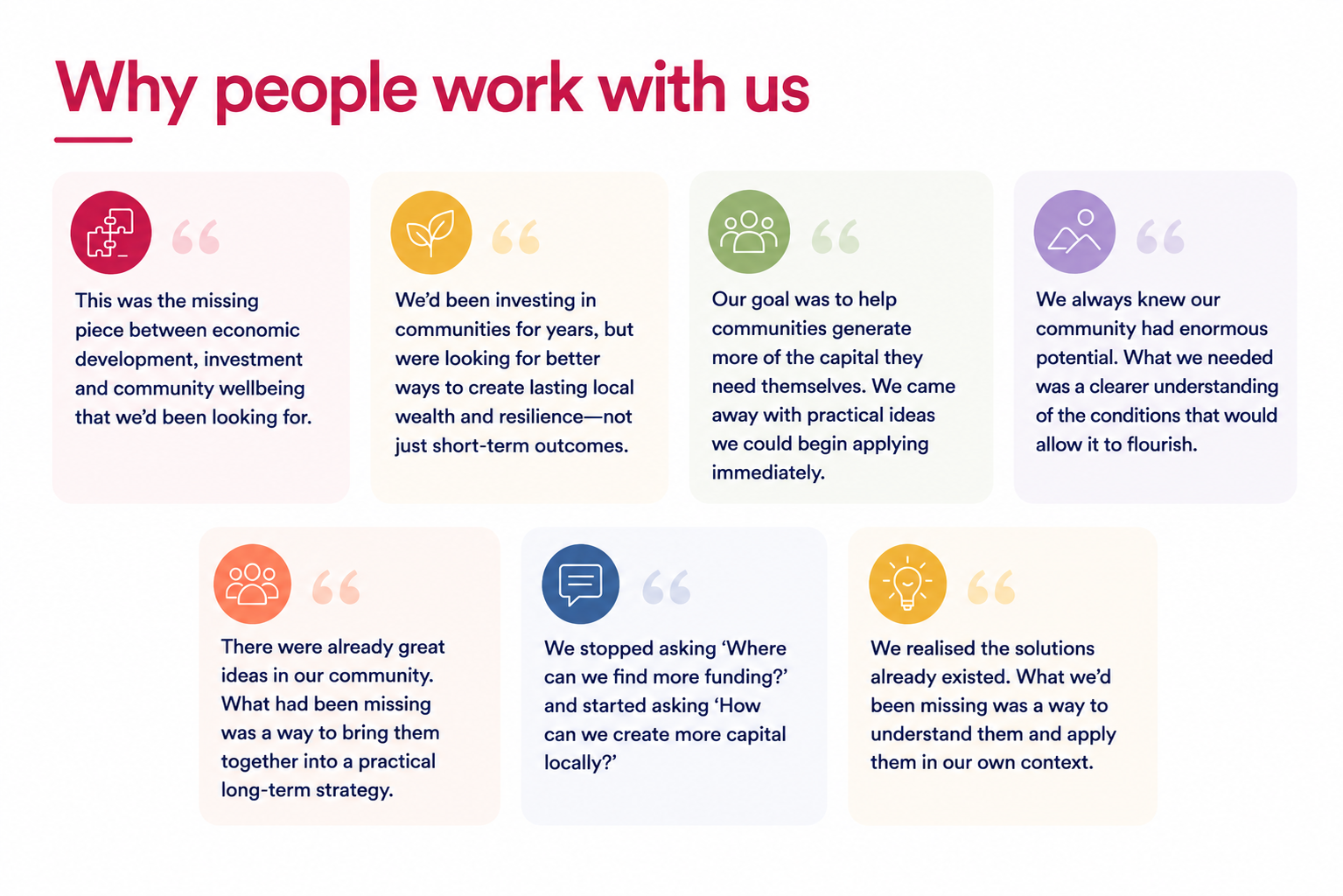
What our community is saying

“We’ve been looking for ways to create lasting impact, and the community capital approach provides exactly that — sustainable, community-owned solutions.”

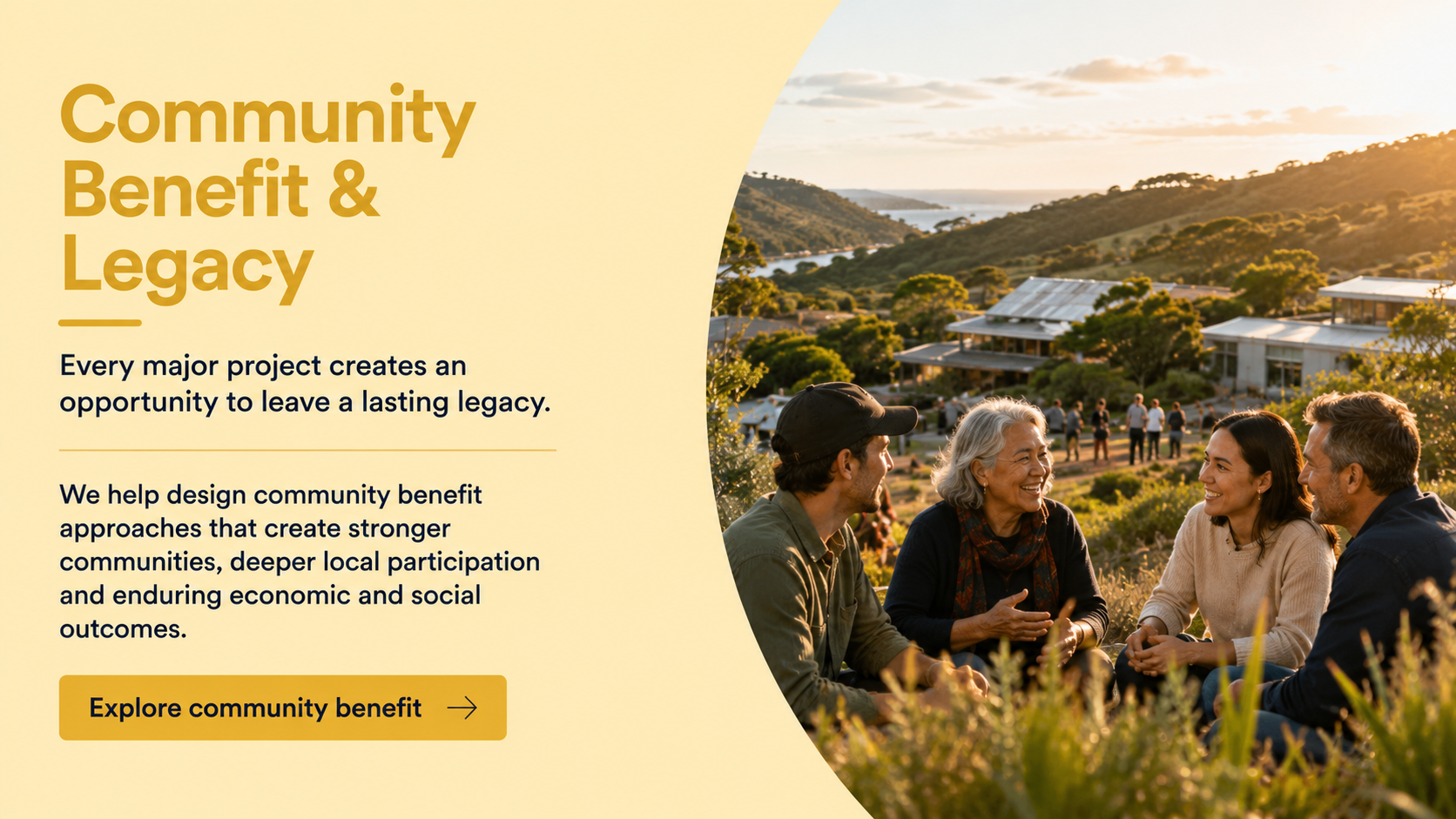
“They helped us move from ideas to action — now we own assets together that will benefit generations.”

“Working with CCC opened our eyes to how economic and capital systems really work — and how we can influence it. We’ve gone from reacting to decisions made elsewhere to co-creating solutions that work for us.”

“What CCC does is connect the dots — between policy, capital, and community voice — so local people can lead and benefit from the assets shaping our economy”

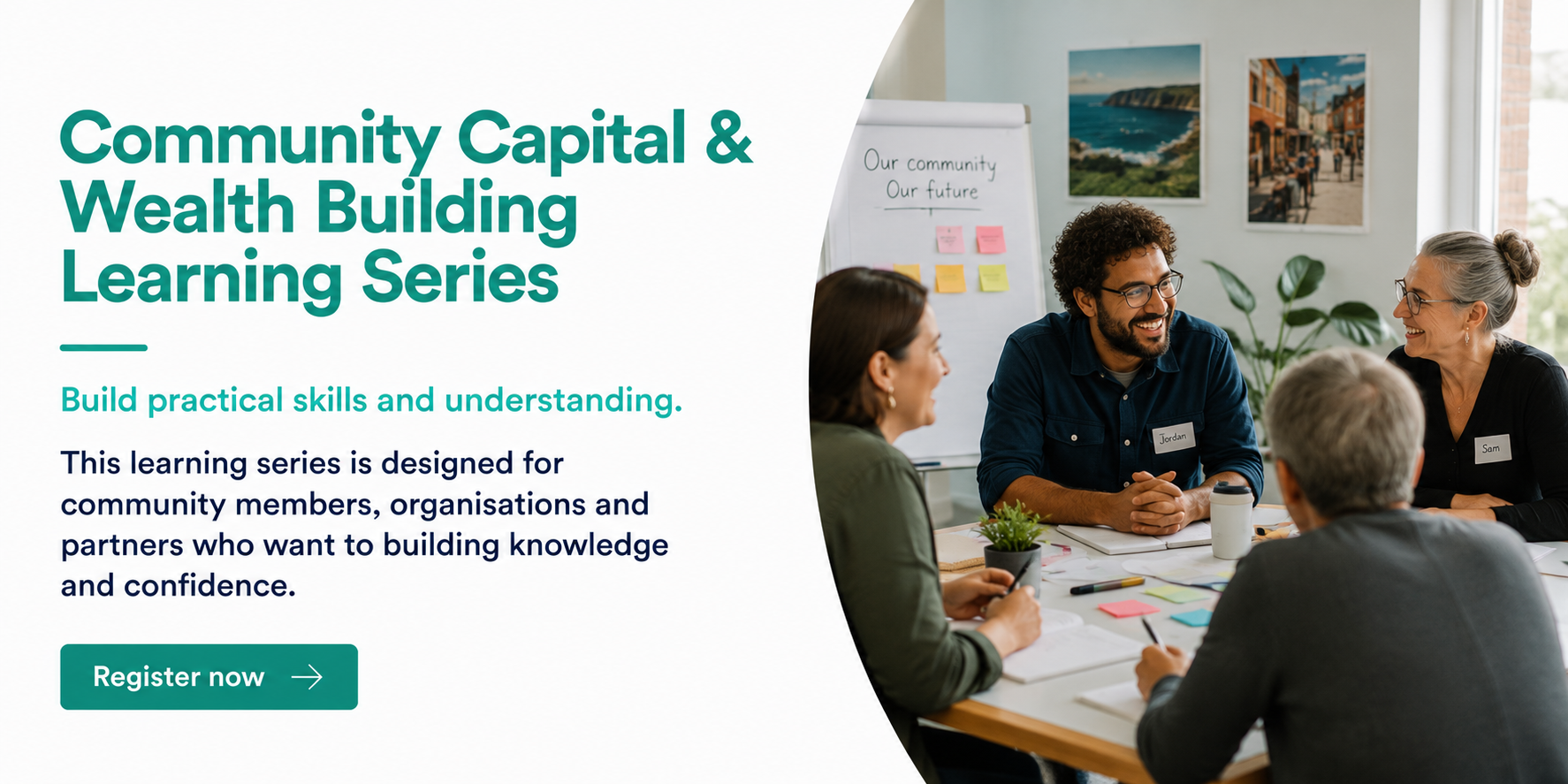
“The learning series gave me the language and confidence to talk about capital in our community — and to take action.”

“I came away with practical tools, but more importantly, I felt part of a bigger movement.”